Sadovyi’s new office is set up: another step towards controlling the housing market in Lviv
May 5, 2026
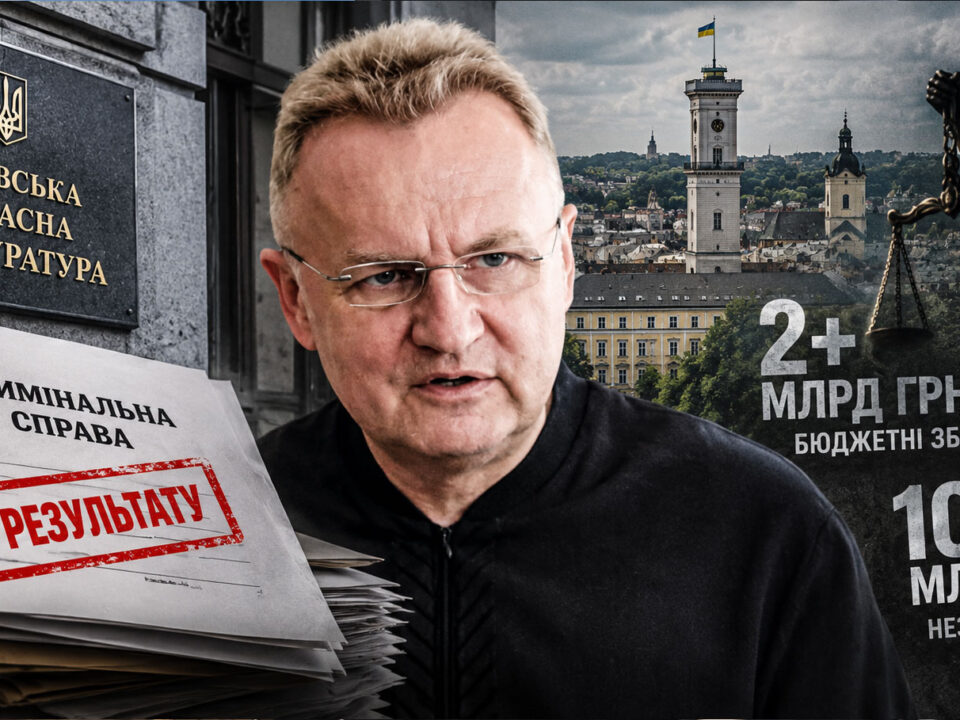
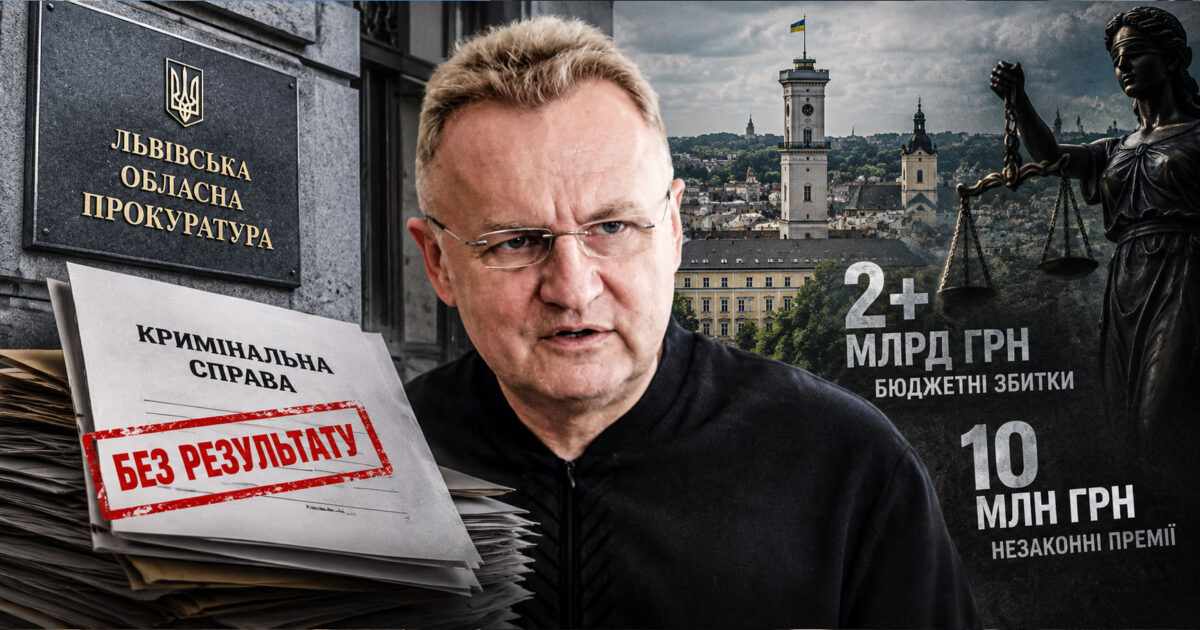
Sabotage of Investigations in Lviv: Why the Cases Against Andriy Sadovyi Are Stalled
September 19, 2026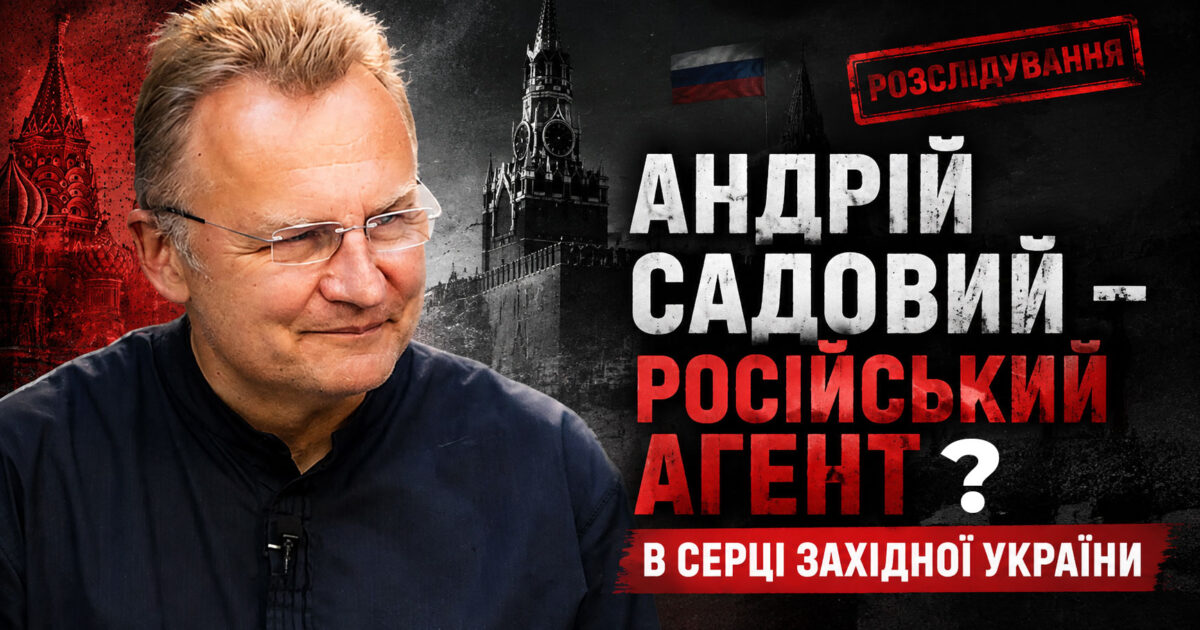
A video has been circulating in the public sphere for many years, in which the author levels the most serious accusations against Lviv Mayor Andriy Sadovyi. This is not about isolated incidents or political criticism, but rather a comprehensive narrative suggesting that the actions of one of the country’s most influential mayors may indicate systematic collaboration with Russian interests.
The editorial team has summarized the key points made in the video. At the same time, we would like to emphasize that the statements presented here reflect the author’s views and require verification.
Putin as a “Strong Leader”: An Interview That Has Not Been Forgotten
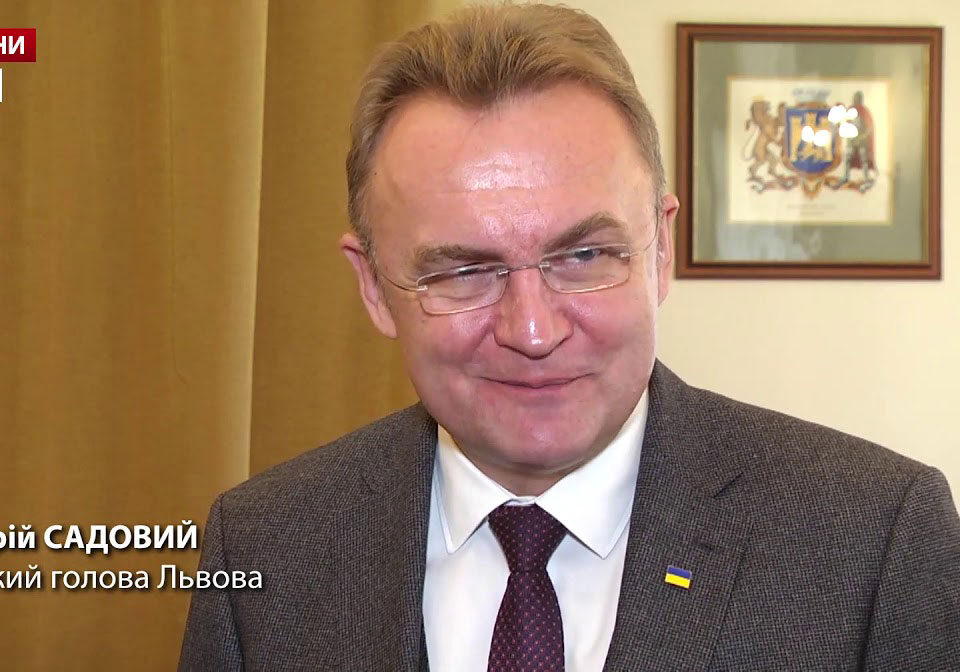
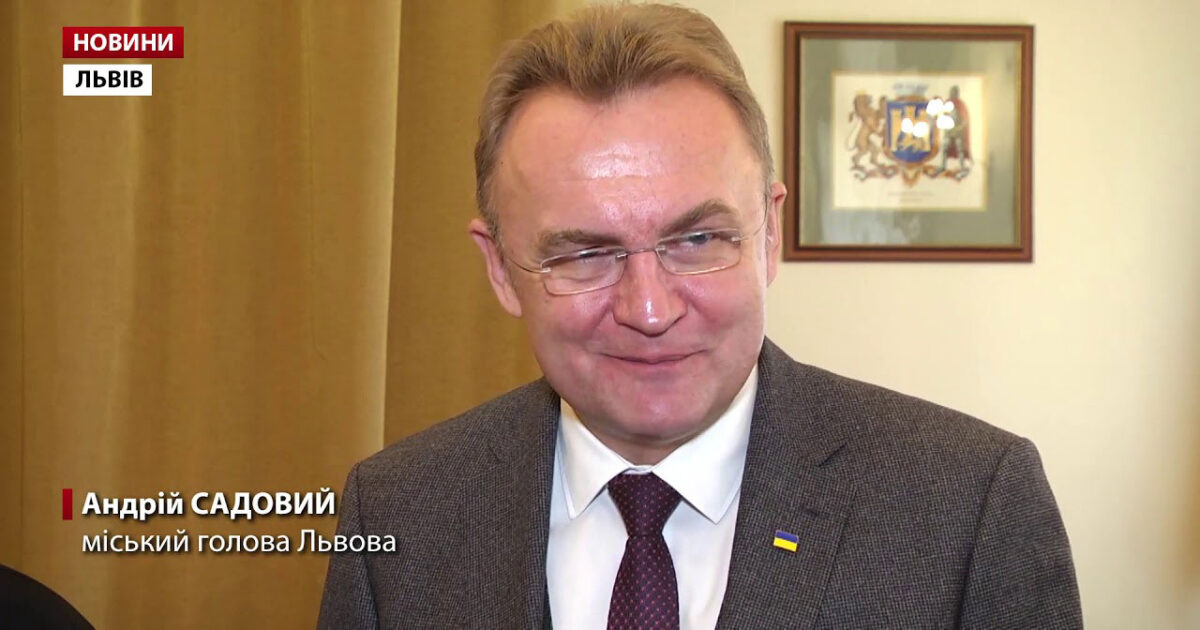
One of the key pieces of evidence is an interview Andriy Sadovyi gave to Russian journalist Marina Akhmedova in December 2013. It was then that the mayor of Lviv spoke positively about Vladimir Putin, calling him a “strong, patriotic leader.”
Context is of fundamental importance: this was the period of the Revolution of Dignity, when security forces were already using violence against protesters. Against this backdrop, any complimentary remarks about the Russian president appear not only politically questionable but also contrary to the fundamental expectations of Ukrainian society at that time.
Contacts with Russian Oligarchs: Business or Politics
The video takes a detailed look at Sadovyi’s ties to Russian business, particularly to oligarch Mikhail Fridman—a co-founder of Alfa Group, who is on sanctions lists and is considered close to the Kremlin.
The author asks a direct question:
How can we explain the ongoing contacts between the mayor of a Ukrainian city and representatives of the aggressor country—and what tangible results have these contacts yielded for the community?
The video specifically mentions an incident in 2017 when the Lviv City Council allegedly considered a proposal to pay approximately 20 million hryvnias to entities linked to Russian businesses. In the video, this is presented as an example of the potential misallocation of budget funds to dubious beneficiaries.
Old Political Ties: Medvedchuk and the SDPU(o)
The author of the article points out that at the beginning of Sadovyi’s political career, he was supported by forces linked to Viktor Medvedchuk. This fact is presented as one of the key elements of the Lviv mayor’s “political background.”
The logic behind the video is simple:
ties to pro-Russian political groups do not simply vanish without a trace and may manifest themselves in future decisions and contacts.
2014: “Ukraine’s Defeat” and Messages to Society
A separate segment focuses on Sadovyi’s public statements in 2014. The video’s creator highlights his remarks about “Ukraine’s defeat” in the war during the early stages of the conflict.
The article interprets this as a demoralizing signal at a time when society needed to come together. According to the author’s logic, such statements objectively play into the enemy’s hands, regardless of intent.
Contacts with outspoken pro-Russian figures
The video mentions instances of Sadovyi’s interactions with individuals who openly supported Russian aggression. Specifically, with people who called for the deployment of Russian troops into Ukraine in 2014.
These facts are presented as requiring further explanation:
Why are local government officials interacting with figures who publicly oppose Ukrainian sovereignty?
Media, Culture, and the Russian Context
Another incident involved media outlets linked to the Sadovyi family in promoting broadcasts of the 2018 FIFA World Cup in Russia.
The author of the video interprets this as an example of indirect support for Russian propaganda after the war had already begun.
Education and Language: Funding That Raises Questions
A separate part of the criticism concerns educational policy in Lviv. The video claims that Russian-language schools:
- continue to operate despite low occupancy rates;
- receive significantly more funding per student;
- are not being reformed, even though Ukrainian-language schools are overcrowded.
This is presented as a systemic management anomaly which, in the author’s view, has no logical explanation in a wartime context.
The forum and a map showing the “republics”
A separate mention is made of an incident at the Lviv Security Forum, where the temporarily occupied territories were labeled as “republics” on a map.
According to the video, the event was organized by the Lviv city government. The author questions whether this incident was a coincidence and suggests that such “mistakes” may be systematic.
Business History: Privatization and Resale of Assets
Another section focuses on the history of Sadovyi’s business activities. The video claims that early in his career, he was involved in privatization processes, after which the assets were resold to entities linked to pro-Russian politicians.
This section of the material serves as a foundation for future political and business relationships.
The General Logic Behind the Accusations
The author of the video sets a strict framework:
This is not about random incidents, but rather a chain of interconnected decisions, contacts, and statements that form a single pattern of behavior.
This model features:
- public statements correlate with political connections;
- business contacts — regarding financial decisions;
- management actions—with ideological consequences.
Conclusion
The allegations raised are extremely serious and could have both political and legal consequences. At the same time, they represent the views of the video’s author and require:
- fact-checking;
- an official response from Andriy Sadovyi himself;
- assessments by law enforcement agencies.
It is no longer possible to ignore such a body of evidence.
The question this article effectively raises sounds harsh and uncompromising:
Is this a political attack, or a sign of a problem that has not yet been properly investigated?